Why Is Vietnamese Home Cooking Taking Over Home Kitchens in 2026?
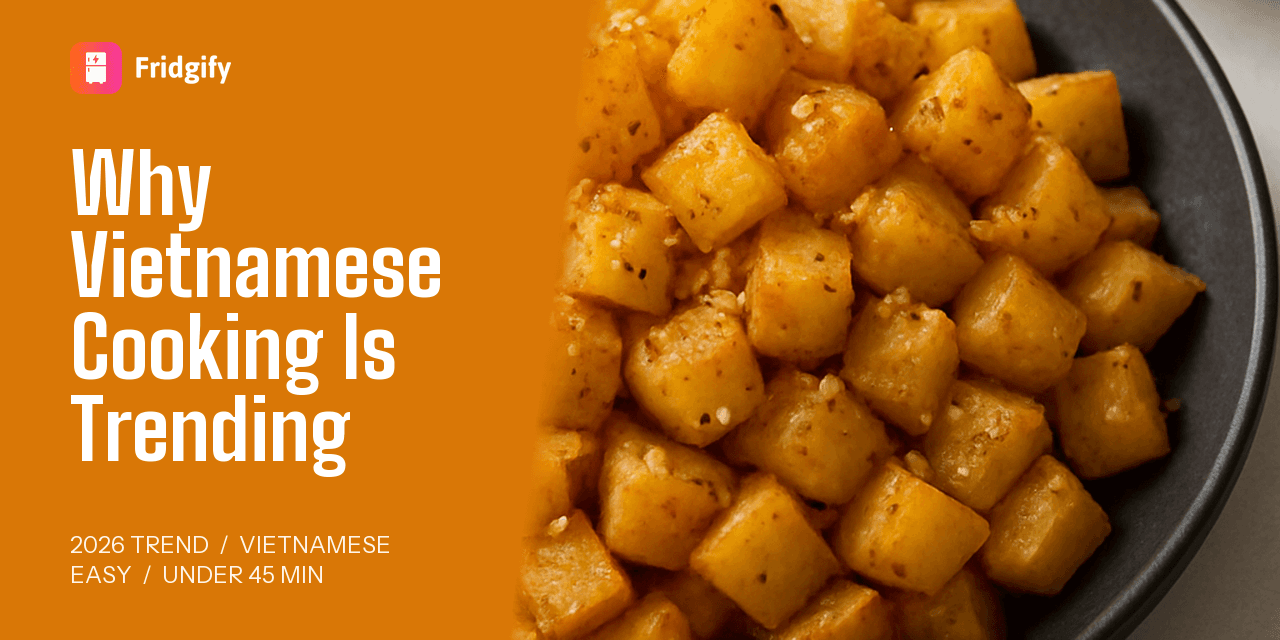
You open the fridge and find half a bag of potatoes, a block of tofu, two tired tomatoes, and a head of garlic. A few years ago that looked like "nothing to eat." In 2026, more home cooks look at the same shelf and see a Vietnamese dinner: garlicky potatoes, tofu braised in tomato, a pot of rice, and a handful of herbs on top.
Vietnamese home cooking has quietly become one of the most-cooked cuisines among Fridgify users this year. Of the 20 most popular recipes in the app over the past twelve months, six are Vietnamese dishes, more than any other single cuisine. None of them are restaurant showpieces. They are everyday stir-fries, braises, and noodle soups built from ingredients most people already have.
Here is why Vietnamese home cooking is having its moment, and how to start cooking it this week.
Why is Vietnamese home cooking suddenly so popular?
Vietnamese home cooking is popular in 2026 because it fits how people actually cook now: short ingredient lists, fast weeknight methods, light but satisfying plates, and a strong vegetable-and-tofu tradition. It delivers big flavor from pantry basics like garlic, fish sauce, and soy sauce, which makes it cheap, flexible, and easy to repeat.
Three bigger shifts are pushing it forward.
Budget pressure. Grocery prices have made people rethink expensive proteins. Vietnamese home cooking has always stretched a small amount of meat, or none at all, across a big bowl of rice and vegetables. Tofu, eggs, potatoes, and tomatoes do most of the work.
Lighter eating without "diet food." Many home cooks want meals that feel fresh rather than heavy. Vietnamese dishes lean on broth, herbs, lime, and quick stir-frying instead of cream or heavy sauces, so a plate can feel light while still tasting bold.
Beyond pho. Most people's first taste of Vietnamese food was a bowl of pho at a restaurant. Now curiosity has moved to the home-style dishes Vietnamese families eat on a Tuesday night: đậu phụ xào cà chua (tofu and tomato), khoai tây xào tỏi (garlic potatoes), and khổ qua xào (stir-fried bitter melon). These dishes are simple enough to cook without special equipment.
What makes Vietnamese food easy to cook at home?
Vietnamese home cooking is easy because most everyday dishes use one pan, a handful of ingredients, and a single cooking technique: a quick stir-fry, a gentle braise, or a simmered broth. Flavor comes from seasoning and fresh herbs added at the end, not from long marinades, complicated sauces, or hard-to-master knife work.
Look at the ingredient lists of the Vietnamese dishes Fridgify users cook most often and a pattern jumps out:
| Dish | Main ingredients | Cook time | Calories per serving |
|---|---|---|---|
| Vietnamese Garlic Potato Stir-Fry | Potatoes, garlic, oil, salt, pepper, sugar | 35 min | 185 |
| Tofu and Tomato Stir-Fry | Tofu, tomatoes, onion, garlic, fish or soy sauce | 45 min | 165 |
| Stir-Fried Bitter Melon with Soy Sauce | Bitter melon, soy sauce, garlic, oil | 27 min | 95 |
| Soy-Braised Young Jackfruit Stew | Jackfruit, soy sauce, water, oil, aromatics | 65 min | 185 |
| Tofu and Tomato Phở | Rice noodles, tofu, tomatoes, onion, spices | 45 min | 285 |
The garlic potato dish has six ingredients, and three of them are salt, pepper, and sugar. That is typical. Vietnamese home cooking rewards good technique on cheap ingredients: getting a real golden crust on potatoes, letting tomatoes collapse into a sauce, or frying garlic until it just turns fragrant.
What pantry staples do you need for Vietnamese cooking?
You need fewer than ten staples to cook most Vietnamese home dishes: fish sauce, soy sauce, garlic, shallots or onions, sugar, black pepper, neutral oil, rice, and rice noodles. Add fresh herbs like cilantro, scallions, or Thai basil and a lime, and you can cook dozens of classic dishes.
Here is a practical starter list:
- Fish sauce — the backbone of Vietnamese seasoning. A small bottle lasts months in the fridge.
- Soy sauce — used heavily in vegetarian and Buddhist-style dishes, often in place of fish sauce.
- Garlic and shallots — fried in oil at the start of almost every stir-fry.
- Sugar — a pinch balances salt and sourness; it rarely makes a dish taste sweet.
- Black pepper — freshly ground pepper is a signature finishing note in braises.
- Jasmine rice — the default side for almost every home meal.
- Dried rice noodles — for noodle soups and quick noodle bowls.
- Limes — for brightness and dipping sauces.
- Fresh herbs — scallions and cilantro at minimum.
If you already cook Chinese or Thai food, you probably own most of this list.
Is Vietnamese home cooking healthy?
Vietnamese home cooking is generally considered a healthy style of eating because meals center on vegetables, rice, broth, herbs, and lean proteins like tofu, eggs, and fish. Dishes use modest amounts of oil and rarely rely on dairy or heavy sauces. The main thing to watch is sodium from fish sauce and soy sauce.
The numbers from popular Fridgify recipes back this up. The stir-fried bitter melon comes in around 95 calories per serving, the tofu and tomato stir-fry around 165, and the garlic potatoes around 185. Even the tofu and tomato phở sits under 300 calories per bowl.
A typical Vietnamese family meal is not one big plate. It is rice plus two or three small shared dishes: a vegetable stir-fry, a protein, and often a light soup. That structure naturally builds balance into dinner without anyone counting macros.
If you are watching salt, taste before you add more fish sauce, use low-sodium soy sauce, and lean on lime juice and herbs to lift flavor instead.
What are the easiest Vietnamese dishes for beginners?
The easiest Vietnamese dishes for beginners are garlic potato stir-fry, tofu and tomato stir-fry, tomato egg stir-fry, and a simple vegetable noodle soup. Each takes under 45 minutes, uses one pan or pot, and teaches a core Vietnamese technique you will reuse in dozens of other recipes.
Garlic potato stir-fry (khoai tây xào tỏi). Pan-fry cubed potatoes until golden, then toss with a generous amount of minced garlic, salt, pepper, and a pinch of sugar. The result is crisp outside, creamy inside, and deeply garlicky. Serve it with rice and a fried egg.
Tofu and tomato stir-fry (đậu phụ xào cà chua). Fry cubed tofu until lightly golden, then simmer it with tomatoes, onion, and garlic until the tomatoes break down into a savory, slightly tangy sauce. Finish with scallions. It is one of the most common home dishes in Vietnam for a reason.
Stir-fried bitter melon. For the curious cook. Bitter melon has a sharp, grassy bitterness that softens when sliced thin and quickly stir-fried with garlic and soy sauce. At under 100 calories a serving, it is one of the lightest dishes you can make.
Tofu and tomato noodle soup. A vegetarian twist on the classic noodle soup that uses tomatoes and toasted spices to build a broth in under an hour, no bones required.
Can you cook Vietnamese food with regular grocery store ingredients?
Yes. Most Vietnamese home dishes can be cooked entirely from a regular supermarket. Potatoes, tofu, tomatoes, onions, garlic, eggs, rice, soy sauce, and limes are available almost everywhere, and fish sauce and rice noodles are now stocked in the international aisle of most large grocery stores.
A few ingredients are easier to find at an Asian grocery store, such as bitter melon, young jackfruit, or fresh rice rolls for bánh cuốn. But you do not need them to start. Some easy swaps:
| If a recipe calls for | Try instead |
|---|---|
| Fish sauce | Soy sauce plus a small squeeze of lime |
| Thai basil or perilla | Regular basil or mint |
| Young jackfruit | Mushrooms or extra tofu |
| Bitter melon | Zucchini (milder, but same method) |
| Rice paddy herb | Cilantro |
This flexibility is a big part of the trend. You can start with what is already in your fridge, then pick up a bottle of fish sauce once you know you like the style.
How do you balance flavors like a Vietnamese home cook?
Vietnamese home cooks balance every dish across salty, sweet, sour, savory, and fresh. The usual approach is to season with fish sauce or soy sauce for salt and depth, add a pinch of sugar to round it out, finish with lime for brightness, and top with herbs right before serving for freshness.
A simple way to practice this is the tasting loop:
- Season with salt first. Add fish sauce or soy sauce a little at a time.
- Taste. Too sharp or flat? Add a pinch of sugar. It should soften the edges, not make the dish sweet.
- Taste again. Still heavy? Add lime juice or a splash of vinegar.
- Finish fresh. Scatter scallions, cilantro, or basil right before serving.
This is the same logic behind nước chấm, the classic Vietnamese dipping sauce: fish sauce, sugar, lime, water, garlic, and chili. Once you can balance a bowl of nước chấm by taste, you can balance almost any Vietnamese dish.
How can you start cooking Vietnamese food this week?
Start with one pantry run and three simple dishes. Buy fish sauce, rice, garlic, scallions, and limes. Then cook garlic potatoes on Monday, tofu and tomato stir-fry on Wednesday, and a quick noodle soup on the weekend. By Friday you will know the core techniques and flavor balance.
A simple week-one plan:
- Night 1: Garlic potato stir-fry with rice and a fried egg.
- Night 2: Tofu and tomato stir-fry with rice and cucumber slices.
- Night 3: Use leftover rice for a quick fried rice with egg, scallions, and fish sauce.
- Weekend: Tofu and tomato noodle soup with a big pile of herbs.
Each meal reuses the same pantry staples, so nothing sits in the fridge and goes to waste. According to the USDA, 30 to 40 percent of the US food supply goes uneaten, and a lot of that waste starts with half-used ingredients bought for a single recipe. A cuisine built around a small, repeating set of staples makes that much easier to avoid.
If you are not sure what to cook from what you already have, Fridgify can help. Snap a photo of your fridge and the app suggests complete recipes, including Vietnamese-style dishes like the ones above, with ingredients, step-by-step instructions, cook time, and calories, all based on what you already have at home.
Download Fridgify for iOS or Android, or visit fridgify.eodin.app, and try your first Vietnamese home-cooked dinner tonight.
Frequently Asked Questions
Why is Vietnamese home cooking becoming popular in 2026?
Vietnamese home cooking fits modern cooking needs with short ingredient lists, fast methods, and light yet satisfying meals. It is budget-friendly, emphasizes vegetables and tofu, and offers bold flavors from pantry staples like garlic, fish sauce, and soy sauce. Additionally, curiosity has shifted beyond pho to everyday family dishes that are simple to prepare.
What pantry staples do I need to start cooking Vietnamese dishes at home?
You need fewer than ten staples including fish sauce, soy sauce, garlic, shallots or onions, sugar, black pepper, neutral oil, jasmine rice, dried rice noodles, limes, and fresh herbs like cilantro and scallions. These ingredients cover most Vietnamese home recipes and are often already found in kitchens that cook Asian cuisines.
Are Vietnamese home-cooked meals healthy?
Yes, Vietnamese home cooking is generally healthy because it centers on vegetables, lean proteins like tofu and eggs, rice, broth, and fresh herbs. Dishes use modest oil and avoid heavy sauces or dairy. However, it’s important to monitor sodium intake from fish sauce and soy sauce by tasting before adding more and using low-sodium options.
Can I cook Vietnamese food using regular grocery store ingredients?
Yes, most Vietnamese home dishes can be made with common supermarket ingredients like potatoes, tofu, tomatoes, onions, garlic, eggs, rice, soy sauce, and limes. Fish sauce and rice noodles are now widely available in international aisles. Some specialty items like bitter melon or young jackfruit may require an Asian market, but substitutions like zucchini or mushrooms work well.
What are some easy Vietnamese dishes for beginners to try?
Beginner-friendly dishes include garlic potato stir-fry, tofu and tomato stir-fry, tomato egg stir-fry, and simple vegetable noodle soup. These recipes take under 45 minutes, use one pan or pot, and teach core Vietnamese cooking techniques like quick stir-frying and gentle braising.
Continue reading

Why Is Everyone Making Eggs for Dinner in 2026? (Not Just Breakfast)
Eggs have moved from breakfast to the main event. Why home cooks build 15-25 minute skillets, scrambles, and stir-fries around eggs in 2026 - and how to start tonight.
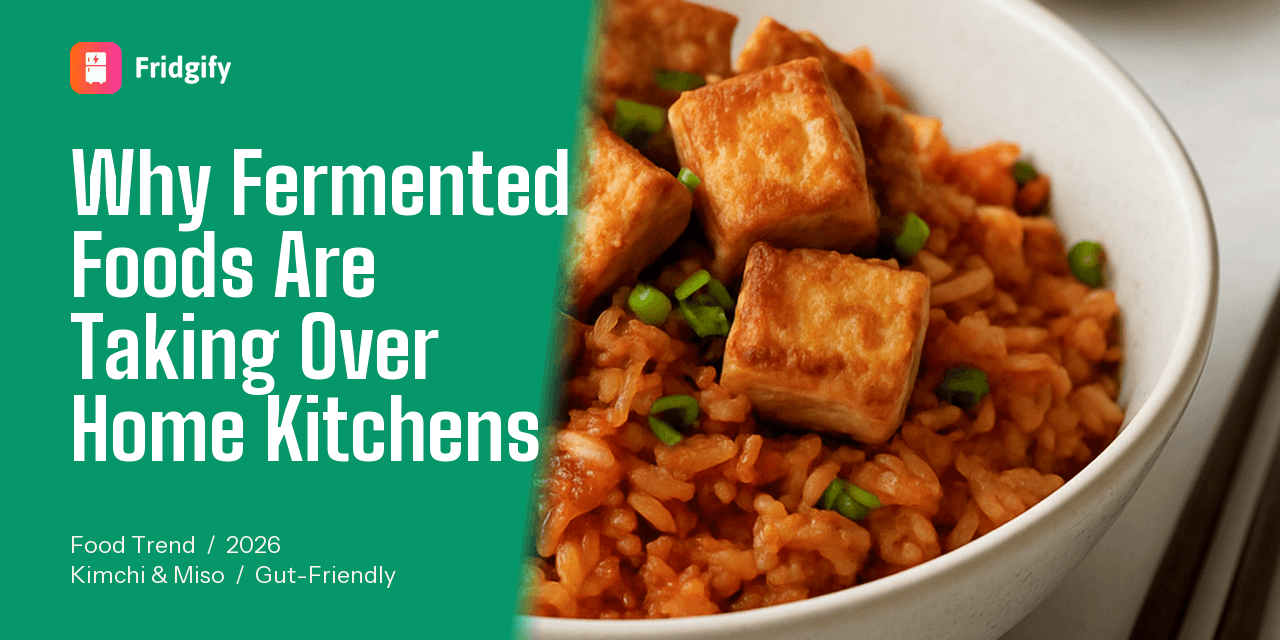
Why Are Fermented Foods Taking Over Home Kitchens in 2026?
Kimchi, miso, and yogurt are jumping from health-store curiosity to weeknight staple. Here is why fermented foods are trending in 2026 and how to cook with them.

Why Has Cottage Cheese Become 2026's Biggest Cooking Trend?
Cottage cheese has quietly become 2026's biggest home-cooking trend. Why everyone's blending it into pancakes, pasta, and ice cream — and how to start.