Why Are No-Bake Desserts Taking Over Home Kitchens in 2026?
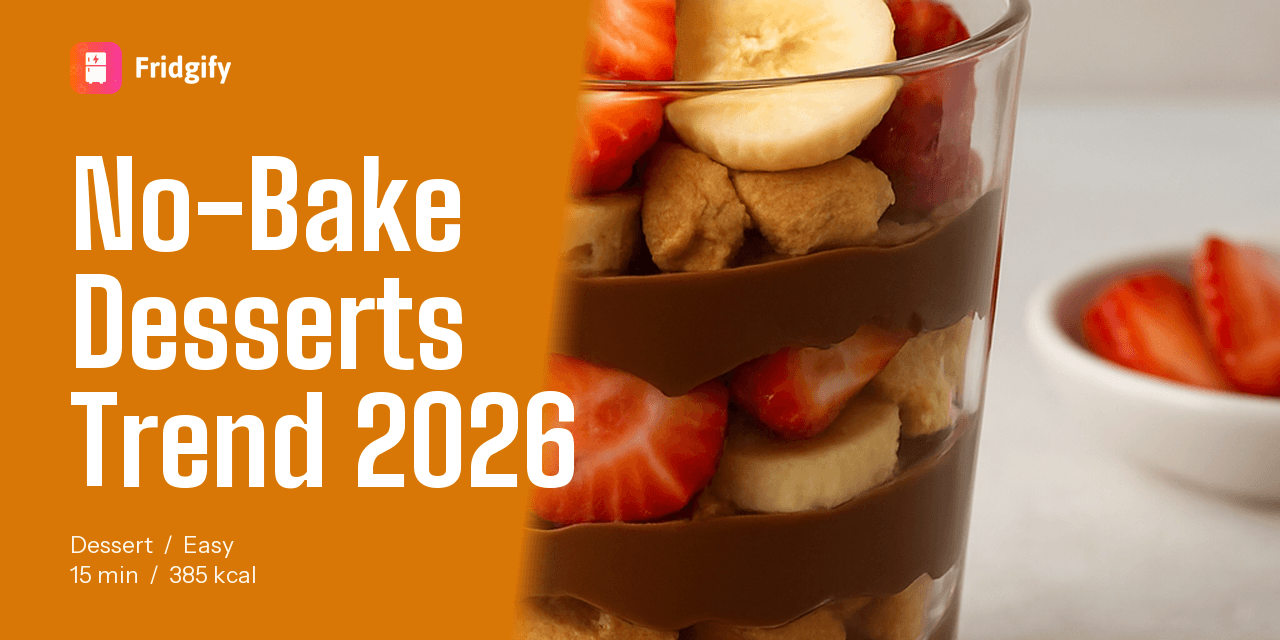
Why Are No-Bake Desserts Taking Over Home Kitchens in 2026?
You want something sweet after dinner, but the oven is the last thing you want to turn on. It is a weeknight, the kitchen is already a mess, and a layered cake sounds like a weekend project. So you scroll, and every other dessert on your feed seems to involve chocolate, a few layers, and zero baking.
You are not imagining it. No-bake desserts have moved from "emergency option" to a real trend in 2026, and home cooks are building entire dessert habits around them. Here is why it is happening, what makes a good no-bake dessert, and three real examples from Fridgify's most-saved recipes.
Why are no-bake desserts so popular in 2026?
No-bake desserts are popular because they cut the three biggest dessert barriers at once: time, skill, and cleanup. Most take 15 minutes or less of active work, need no oven, and rely on assembling ingredients rather than controlling a delicate bake. That makes a homemade sweet treat realistic on a Tuesday night, not only on weekends.
The second driver is how food spreads. Layered, colorful, crunchy desserts photograph well, and viral treats such as pistachio-and-chocolate creations turned "assembled, not baked" into something people want to try themselves. A trend only sticks at home if it is easy, and no-bake is easy by design.
There is also a quiet practical reason: ovens heat the kitchen, take time to preheat, and punish small mistakes. A parfait or a chilled chocolate square forgives almost everything.
What counts as a no-bake dessert?
A no-bake dessert is any sweet dish that gets finished without an oven, usually through chilling, setting, melting, or layering. Chocolate that is melted and re-set, fruit layered with crunchy cookies, honey drizzled over candy, and chilled cream-based sweets all qualify. If heat is only used gently on a stove to melt or warm something, it still counts.
Most no-bake desserts fall into three families. Set desserts, like chocolate squares, harden in the fridge. Layered desserts, like parfaits, are assembled in glasses and served right away. Platter desserts, like candy and honey boards, are arranged and drizzled for sharing.
How long does a no-bake dessert actually take?
Most no-bake desserts take between 15 and 60 minutes, and the longer ones are mostly waiting. A layered parfait can be ready in about 15 minutes. A set dessert such as chocolate squares needs roughly 45 minutes to an hour in the fridge, but you are only working for a few minutes of that.
That split is what makes them fit a busy week. Active time is short, and the waiting happens while you clear the table or do something else. Compare that with a baked dessert, where preheating, baking, and cooling can easily eat an evening.
Which no-bake desserts are home cooks saving most on Fridgify?
Over the past year, Fridgify's most popular list has included several no-bake sweets, and three stand out for being very different from each other. The first is a Korean-style parfait with Dubai chocolate, strawberries, banana, cookies, and pistachios. The second is a Middle Eastern chocolate and honey confection studded with candy. The third is a Greek-inspired honey and candy platter.
Here is how the three compare at a glance:
| Dessert | Style | Time | Serves | Calories per serving |
|---|---|---|---|---|
| Korean-Style Sweet Treat Parfait with Dubai Chocolate | Layered | 15 minutes | 4 | 385 |
| Middle Eastern Chocolate Honey Confections with Candy Jewels | Set squares | 60 minutes (mostly chilling) | 16 | 145 per square |
| Greek-Inspired Candy Dessert Platter with Honey Drizzle | Platter | 15 minutes | 4 | 285 |
All three are rated easy, and none needs an oven. Together they show the range of the trend: one for a quiet dessert after dinner, one for a batch you can keep in the fridge, and one for a party table.
How do you make a no-bake parfait in 15 minutes?
A no-bake parfait is made by layering crunchy, creamy, and fresh components in a glass: broken cookie pieces on the bottom, a spoonful of melted chocolate, sliced fruit, then another layer of cookies and a final drizzle. Melt the chocolate gently with a splash of warm water, stir until smooth, assemble, and top with chopped pistachios. It takes about 15 minutes and serves four.
The Fridgify version pairs 100 grams of chopped chocolate with 150 grams of chewy cookie pieces, 200 grams of sliced strawberries, one banana, and about 30 grams of chopped pistachios. Stirring the chocolate with four tablespoons of warm water for two to three minutes gives a smooth, creamy layer instead of a stiff one.
The contrast is the point. Smooth chocolate, crunchy cookie, juicy fruit, and nutty pistachio mean every spoonful changes. You can serve it right away or keep it in the fridge for up to two hours before serving.
How do you make no-bake chocolate squares that set properly?
For chocolate squares that set cleanly, melt about 200 grams of chopped chocolate over gently simmering water, let it cool for a couple of minutes, stir in honey until glossy, fold in your chewy pieces, and spread everything into a parchment-lined 8x8 inch pan. Chill for 45 minutes to an hour, then cut into 16 squares with a warm, dry knife.
Two details matter most. First, keep the bowl from touching the water, because overheated chocolate turns grainy. Second, wipe the knife between cuts so the edges stay sharp rather than smeared.
Each square comes to about 145 calories, which makes portion control easy: one square is a real treat, not a commitment. They keep in an airtight container in the fridge for up to five days, so one batch covers several evenings.
What does a no-bake dessert taste like?
Most no-bake desserts taste intensely sweet and are built around texture. The parfait is sweet and chocolatey with a toasty cookie crunch and a little nutty pistachio. The chocolate squares are dense and glossy with a clean snap and chewy bursts. The honey platter is sticky, floral, and playful, with almost no acidity of its own.
Because the sweetness is strong, pairing matters. Bitter coffee or espresso cuts through chocolate beautifully, and tea works well with honey-based sweets. Fresh berries, sliced citrus, plain Greek yogurt, or a few salted nuts add the acidity and contrast that keep a rich dessert from feeling flat.
Are no-bake desserts healthier than baked desserts?
Not automatically. No-bake desserts skip the oven, not the sugar, so they are often just as sweet as baked ones. The parfait lands around 385 calories per serving, while the candy platter is almost entirely carbohydrate at about 285 calories per serving. What no-bake does give you is control, because assembly lets you choose the portion and the toppings.
If you want a lighter version, lean on fruit. Extra strawberries and banana in a parfait add volume and freshness for few calories, and a smaller serving glass helps. For squares, cutting them smaller or serving one with yogurt and berries balances the plate without changing the recipe.
Can I swap ingredients in a no-bake dessert?
Yes, and that flexibility is a big part of why the trend works. Swap the chocolate for any chopped chocolate you like, use whatever crunchy biscuit is in the pantry instead of a specialty cookie, and replace pistachios with almonds, hazelnuts, or even toasted seeds. Fruit can follow the season, so berries, bananas, sliced stone fruit, or citrus segments all work.
The one rule is to keep the balance of soft, crunchy, and fresh. If you replace a crunchy layer with something soft, add crunch somewhere else. Honey can stand in for part of the sweetness in set desserts, and a pinch of salt on top makes chocolate taste richer.
How do you decide what no-bake dessert to make with what you already have?
Start with what is already in your kitchen: a bar of chocolate, an open packet of biscuits, a banana going soft, a handful of nuts. Those four items are already a parfait. Fridgify can match the ingredients you have to complete recipes, with cook times and calories, so you can pick a dessert without a special shopping trip.
That matters for the no-bake trend in particular, because these desserts are mostly pantry assembly. The best ones are the ones that use up the half-finished packets and the fruit that needs eating today, which also means less food in the bin.
Try Fridgify
Fridgify turns what is already in your fridge and pantry into tonight's recipe, with cook times, calories, and step-by-step instructions. Free to start.
- iOS: https://apps.apple.com/us/app/fridgify-ai-meets-your-fridge/id6755527989
- Android: https://play.google.com/store/apps/details?id=app.eodin.fridgify
- Web: https://fridgify.eodin.app
Skip the oven tonight and let the fridge do the work.
Frequently Asked Questions
Why are no-bake desserts becoming popular in home kitchens in 2026?
No-bake desserts are popular because they save time, require less skill, and minimize cleanup. They fit busy weeknights by needing no oven, taking about 15 minutes of active work, and offering easy assembly rather than baking.
What defines a no-bake dessert?
A no-bake dessert is any sweet dish finished without using an oven, typically through chilling, setting, melting, or layering. Examples include chilled chocolate squares, layered parfaits, and candy platters that rely on assembling ingredients or gentle stove heat.
How long does it usually take to prepare a no-bake dessert?
Most no-bake desserts require 15 to 60 minutes, with active preparation often under 15 minutes. Longer times usually involve chilling or setting, allowing you to multitask while the dessert firms up.
Can I customize ingredients in no-bake desserts?
Yes, no-bake desserts are highly flexible. You can swap chocolates, biscuits, nuts, and fruits based on what you have, as long as you maintain a balance of textures like soft, crunchy, and fresh for the best results.
Are no-bake desserts healthier than baked desserts?
Not necessarily, as no-bake desserts often contain similar sugar levels and calories as baked ones. However, they offer portion control and ingredient flexibility, allowing you to add more fruit or reduce serving sizes for a lighter option.
Continue reading
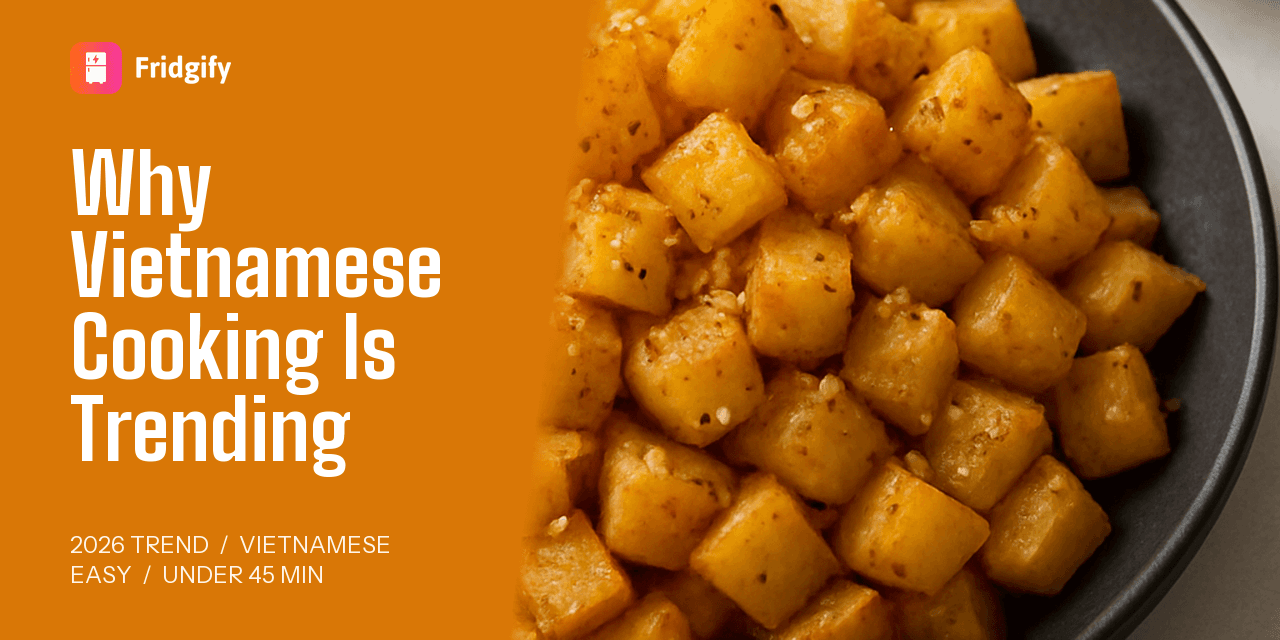
Why Is Vietnamese Home Cooking Taking Over Home Kitchens in 2026?
Vietnamese home cooking is one of 2026's biggest kitchen trends. Learn why, which pantry staples you need, and the easiest dishes to cook this week.
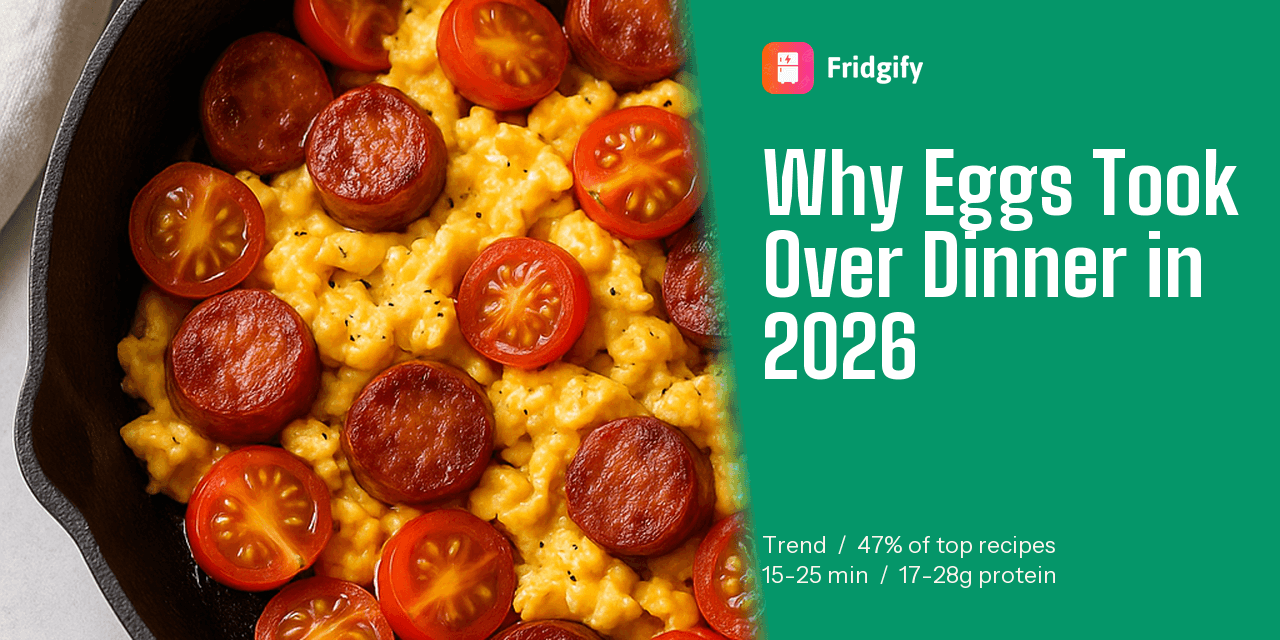
Why Is Everyone Making Eggs for Dinner in 2026? (Not Just Breakfast)
Eggs have moved from breakfast to the main event. Why home cooks build 15-25 minute skillets, scrambles, and stir-fries around eggs in 2026 - and how to start tonight.
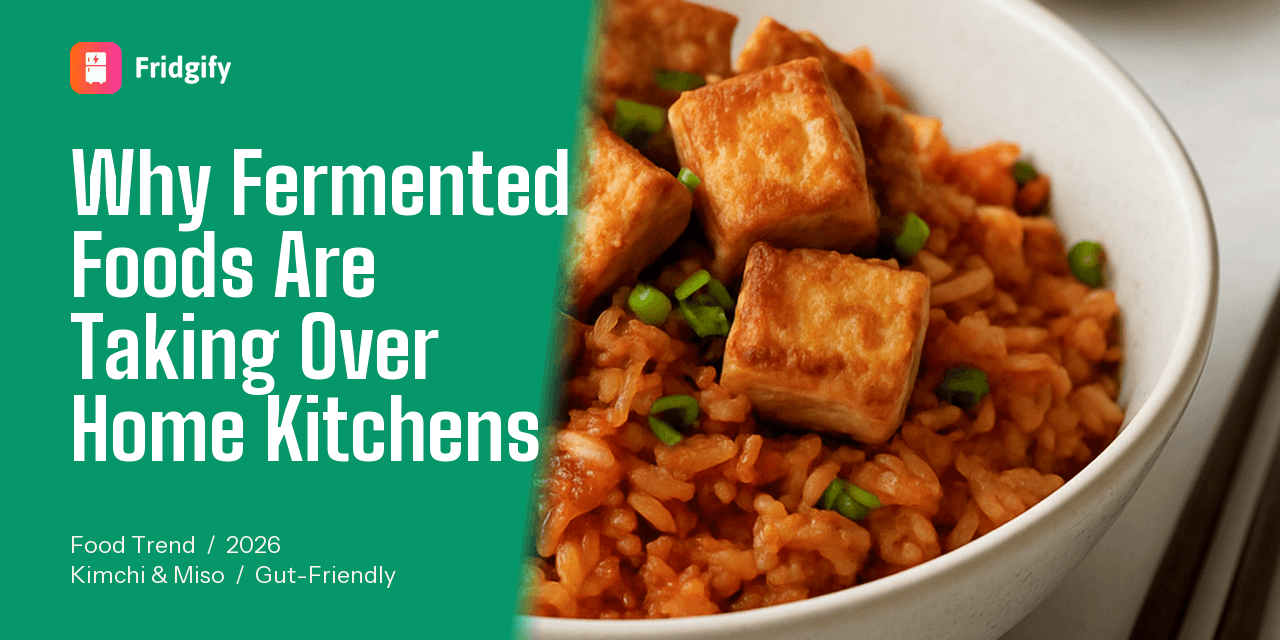
Why Are Fermented Foods Taking Over Home Kitchens in 2026?
Kimchi, miso, and yogurt are jumping from health-store curiosity to weeknight staple. Here is why fermented foods are trending in 2026 and how to cook with them.